
Introduction – The Heartbeat of Pakistan Lies in Its Food and Festivals
Pakistan is a land where every aroma tells a story, and every festival reflects the spirit of unity, gratitude, and joy.
From the bustling food streets of Lahore to the festive vibes of Karachi and the cultural grace of northern valleys, Pakistani Food and Festivals capture the soul of a diverse yet deeply connected nation.
Food in Pakistan isn’t just about taste — it’s about emotion, family, and tradition. Whether it’s a plate of sizzling kebabs shared at a roadside dhaba or a grand Eid feast prepared for loved ones, food brings people together like nothing else. Similarly, festivals in Pakistan are celebrated with unmatched enthusiasm — from religious gatherings like Eid and Ramadan to cultural events like Basant and Shandur Polo Festival.
Pakistani Cuisine – A Symphony of Spices and Regional Traditions
The magic of Pakistani Food and Festivals begins with the diversity of regional cuisines. Each province adds its own flavor, influenced by geography, history, and culture.
1. Punjab – The Land of Flavors and Food Streets
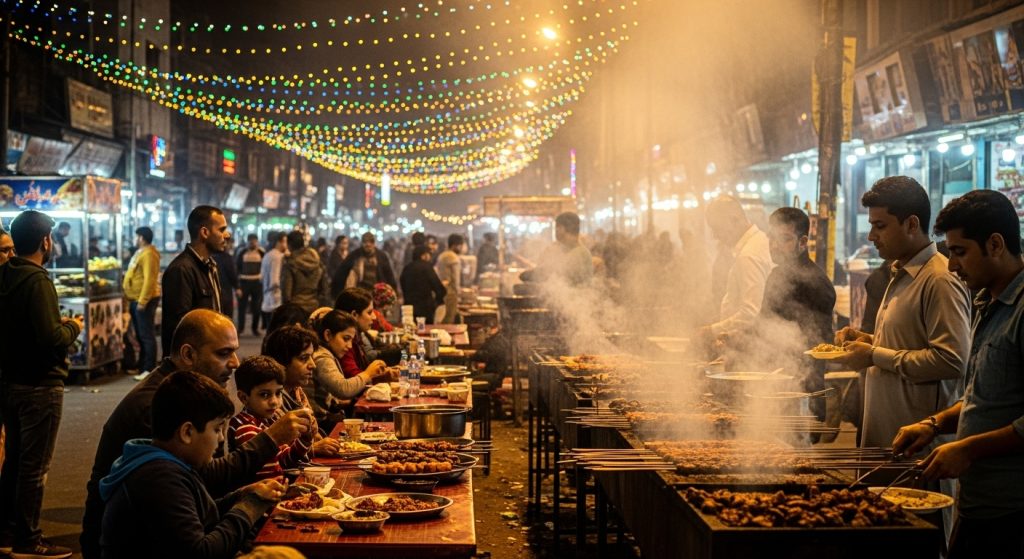
Punjab is known as the food capital of Pakistan. Its vibrant cities like Lahore and Faisalabad are heaven for food lovers.
Dishes like Nihari, Payee, Haleem, and Butt Karahi dominate breakfast tables, while Lassi and Makki di Roti with Sarson da Saag reflect Punjabi warmth.
No visit to Lahore is complete without experiencing Gawalmandi Food Street or Fort Road — where the aroma of grilled meat and desi ghee fills the air.
2. Sindh – Spice, Sea, and Soul
Sindh offers bold, spicy, and unforgettable flavors.
Sindhi Biryani, rich with aromatic spices, yogurt, and tender meat, remains a national favorite. Karachi’s street food — bun kebabs, dahi puri, and gol gappay — are local treasures.
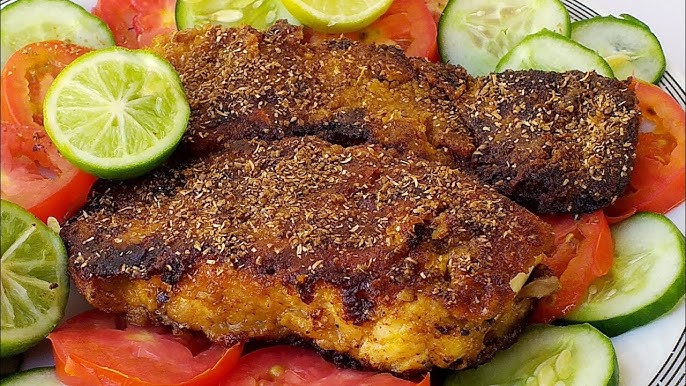
Sindh’s cuisine also carries a coastal touch, featuring fish curry, prawn masala, and crab soup — must-tries for seafood lovers.
3. Balochistan – Simplicity and Smoke-Grilled Perfection
Balochistan’s cuisine celebrates simplicity and authenticity.
The famous Sajji — whole lamb roasted over open fire — symbolizes Baloch hospitality. It’s often served with kaak (stone-baked bread) and green chutney.
Other dishes like Landhi (sun-dried meat) and Kaak-roti showcase desert-style preservation methods and age-old traditions.
4. Khyber Pakhtunkhwa – Aroma of the Mountains
Known for its rich and meaty cuisine, Khyber Pakhtunkhwa’s food is a blend of Afghan and Central Asian influences.
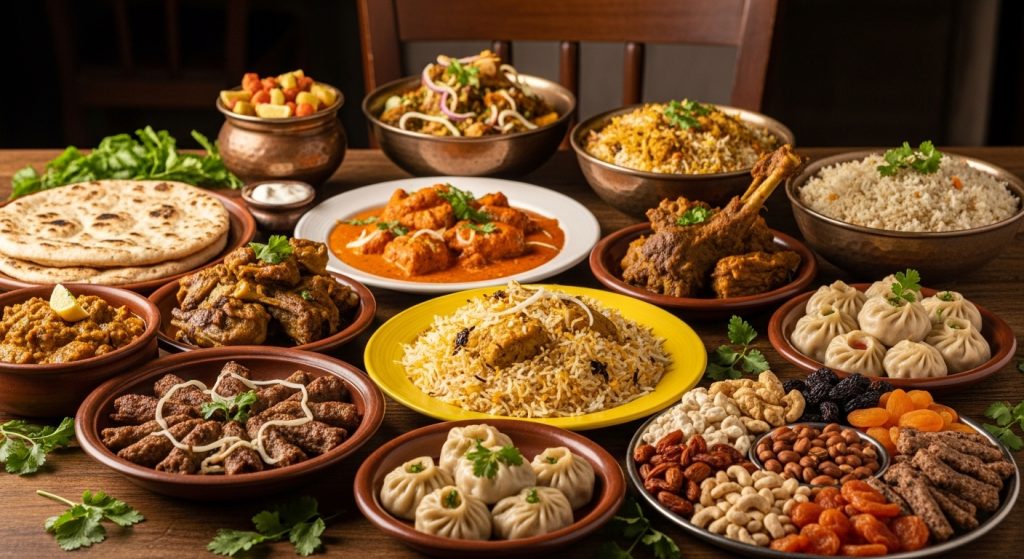
From Chapli Kebab and Kabli Pulao to Mantu (dumplings) and Peshawari Naan, every bite tells a story of ancient trade routes and warrior culture.
Peshawar’s famous Qissa Khwani Bazaar is not just a market — it’s a living museum of food, storytelling, and hospitality.
5. Gilgit-Baltistan – Food of the Northern Heavens
In the serene valleys of Gilgit-Baltistan, food connects people to nature.
Local dishes like Chapshuro, Mamtu (steamed dumplings), and Gyal (buckwheat bread) are simple yet deeply nourishing.
Apricots, honey, and walnuts from these mountains are organic delicacies travelers love to take home.
Festivals of Pakistan – A Celebration of Unity, Faith, and Color
In Pakistan, every festival carries a story, a memory, and a reason to celebrate. Whether religious, cultural, or seasonal, these occasions bring people together across cities and generations.
1. Eid-ul-Fitr – The Feast After Fasting
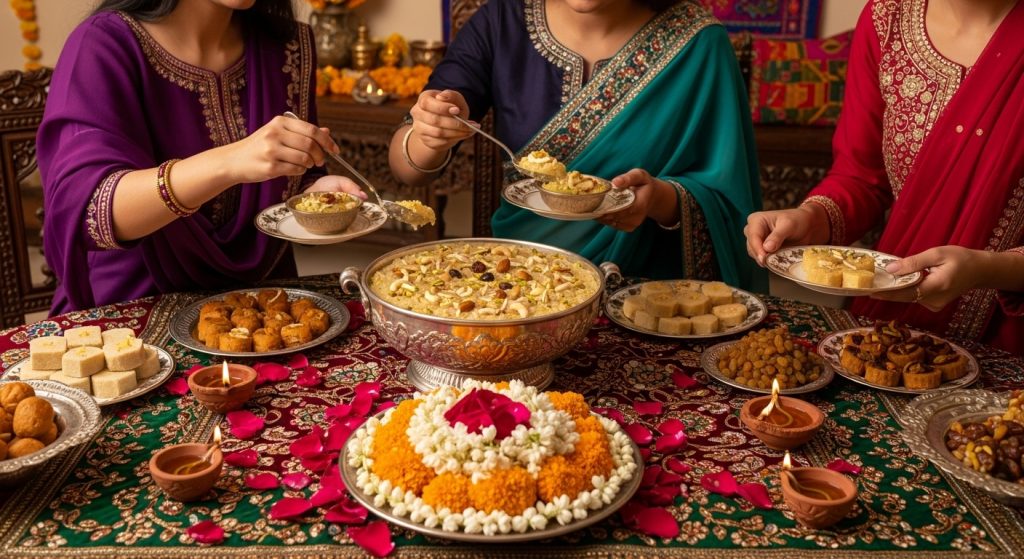
Eid-ul-Fitr marks the end of Ramadan and the beginning of joy.
Homes are decorated, new clothes are worn, and tables overflow with traditional sweets like Sheer Khurma, Kheer, and Seviyan.
Families exchange gifts, share food with neighbors, and open their hearts to charity and gratitude.
2. Eid-ul-Adha – The Festival of Sacrifice
Eid-ul-Adha honors Prophet Ibrahim’s devotion and is celebrated by offering sacrifices.
After the prayer, families distribute meat among relatives and the needy, while chefs prepare barbecues, kebabs, and qorma feasts.
It’s a festival that unites people through generosity and shared meals.
3. Basant – The Festival of Spring and Color
Celebrated mainly in Lahore, Basant marks the arrival of spring with skies full of colorful kites.
Music, dancing, and rooftop feasts fill the air, while the famous Basant Da Saag, parathas, and lassi make the day even more special.
Though its celebration has reduced in recent years, Basant remains a cherished part of Pakistan’s cultural memory.
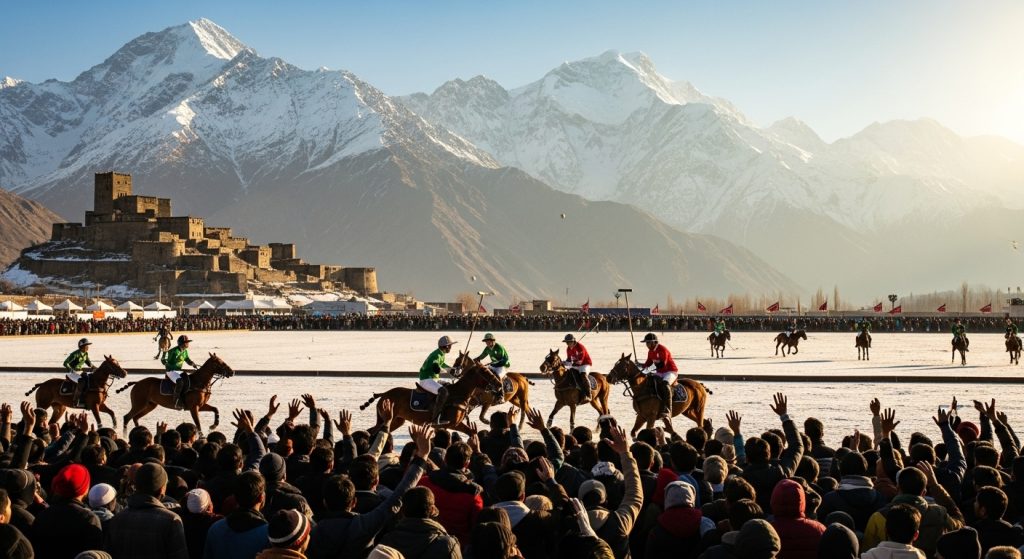
4. Shandur Polo Festival – The Roof of the World Comes Alive
Held in Gilgit-Baltistan, this festival is one of the most unique in the world.
At 12,000 feet above sea level, locals and tourists gather to watch polo matches, folk music, and traditional dances surrounded by snow-capped peaks.
It’s not just a sports event — it’s a cultural connection between people and the mountains.
5. Independence Day – The Spirit of Pakistan
Every year on 14th August, Pakistan turns green and white.
Cities are decorated with flags, lights, and patriotic songs.
Street vendors sell special treats, and food stalls fill the air with the aroma of samosas, pakoras, and jalebi — reminding everyone that food is also part of the celebration of freedom.
The Role of Food in Pakistani Festivals
In Pakistan, festivals and food are inseparable.
From iftar tables during Ramadan to Eid barbecues and wedding feasts, every occasion is marked with shared meals and heartfelt gatherings.
Food symbolizes connection, love, and community — the true essence of being Pakistani.
Street Food Culture – Everyday Festivals of Taste
Walk through any city in Pakistan, and you’ll find the streets alive with food stalls.
Gol gappay, bun kebabs, pakoras, and chai are not just snacks — they are experiences.
In Lahore, Karachi, and Peshawar, food vendors become storytellers, adding humor and warmth to every bite.
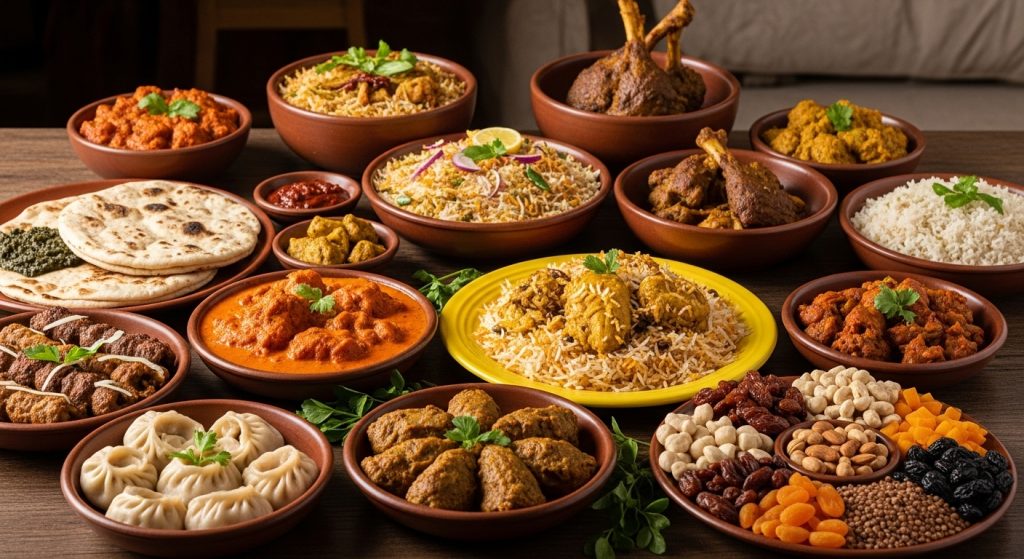
Why Pakistani Food and Festivals Attract Travelers
Travelers are drawn to Pakistan for its authenticity.
Unlike commercialized destinations, Pakistan offers real connections — from sharing a meal with a local family to joining a village festival.
The blend of rich flavors, cultural diversity, and warm hospitality makes Pakistani Food and Festivals unforgettable.
Conclusion – Taste the Culture, Feel the Celebration
In Pakistan, food is more than nourishment, and festivals are more than events — together, they form the rhythm of life.
For every traveler exploring Pakistan, these experiences open a window to its soul — rich, flavorful, and deeply human.
Whether you’re tasting Biryani in Karachi, flying kites in Lahore, or attending a polo match in Gilgit, you’re not just traveling — you’re becoming part of Pakistan’s living tradition.